%2Ffit-in%2F250x250%2Fguide_websites%2F28558%2Fimages%2F177187792293640b3b01a-c73d-4555-86e2-586bc33ceb26.png&w=1920&q=100)
Caught an Alligator Gar Inshore in Virginia Beach
Alligator Gar Fishing in Virginia Beach
5.0

3 Reviews
- 5
 100%
100% - 4
 0%
0% - 30%
- 20%
- 10%
%2F%2Fusers%2Fea242e66-09eb-4867-a75f-d4b76129381d%2Fimages%2Ffishing-company-tree-virginia-beach-3143.png&w=1920&q=75)
The Atractosteus Spatula belongs to the order Lepisosteiformes and family Lepisosteidae. It typically measures between 48 and 120 inches in length, with a weight range from 100 to 160 lbs. - Habitat: inland, nearshore waters - Prehistoric appearance with alligator-like features - Largest member of the gar family in North America
Guided Fishing Trip by Guide Preston Hukill in January

Meet your Guide Preston Hukill
- Top Virginia Beach Inshore Fishing Charters!


Summary
Guide Preston Hukill of Puttin'n Sportsfishing on Friday January offers a 4-hour inshore fishing experience targeting Alligator Gar in Virginia Beach waters. This guided fishing trip combines bottom fishing and drift fishing techniques using light tackle, perfect for both beginners and experienced anglers. Virginia Beach inshore waters provide excellent structure and current breaks for consistent action. The trip starts at 8:00 AM and delivers scenic coastal views alongside quality fishing opportunities. Whether you're targeting red drum, flounder, or the prehistoric Alligator Gar, these productive waters offer rewarding catches. Book your walk-on trip for an efficient and exciting fishing adventure along Virginia's premier coastline.
Guided Fishing Trip with Preston Hukill – Rates & Booking
Guide Preston Hukill of Puttin'n Sportsfishing on Friday January leads this 4-hour inshore fishing adventure starting at 8:00 AM in Virginia Beach. The walk-on trip accommodates solo anglers and small groups, with all light tackle gear provided for bottom fishing and drift fishing techniques. Preston brings local expertise to Virginia Beach's productive inshore waters, where structure and current breaks create ideal conditions for targeting multiple species. Trip rates include equipment and guidance from a licensed local guide with extensive knowledge of seasonal patterns. Contact Puttin'n Sportsfishing directly to secure your spot—winter availability is limited and these trips book quickly during peak fishing periods.
Highlights of Walk on Trip
This 4-hour inshore experience targets Alligator Gar and other local species using proven light tackle methods in Virginia Beach's best fishing spots. The trip combines scenic coastal views with consistent fishing action, making it perfect for both newcomers and seasoned anglers. Preston focuses on bottom fishing and drift fishing techniques that work effectively in these structured inshore waters.
The morning departure at 8:00 AM takes advantage of optimal fishing conditions when species are most active. Virginia Beach's inshore waters offer excellent opportunities for red drum, flounder, and the impressive Alligator Gar, with current breaks and depth changes providing diverse fishing scenarios throughout the trip.
Local Species Insights: Alligator Gar
Alligator Gar thrive in Virginia Beach's nearshore and inland waters, where their prehistoric appearance and impressive size make them a memorable catch. These ancient fish prefer areas with good current flow and structure, exactly what Virginia Beach inshore waters provide. In January, cooler water temperatures can concentrate these fish in deeper holes and channel edges, making targeted fishing more productive. Preston's knowledge of local seasonal patterns helps locate these impressive fish when conditions align perfectly for light tackle success.
Plan Your Fishing Charter Day
Your 4-hour trip includes all necessary light tackle equipment, with Preston providing guidance on bottom fishing and drift fishing techniques throughout the morning. The walk-on format accommodates individual anglers or small groups, with departure at 8:00 AM from Virginia Beach. Preston ensures safety equipment is aboard and provides instruction on proper handling techniques for all species encountered. The trip focuses on productive inshore structure where multiple species feed, giving you the best chance for consistent action during your time on the water.
Fishing in Virginia Beach: Alligator Gar
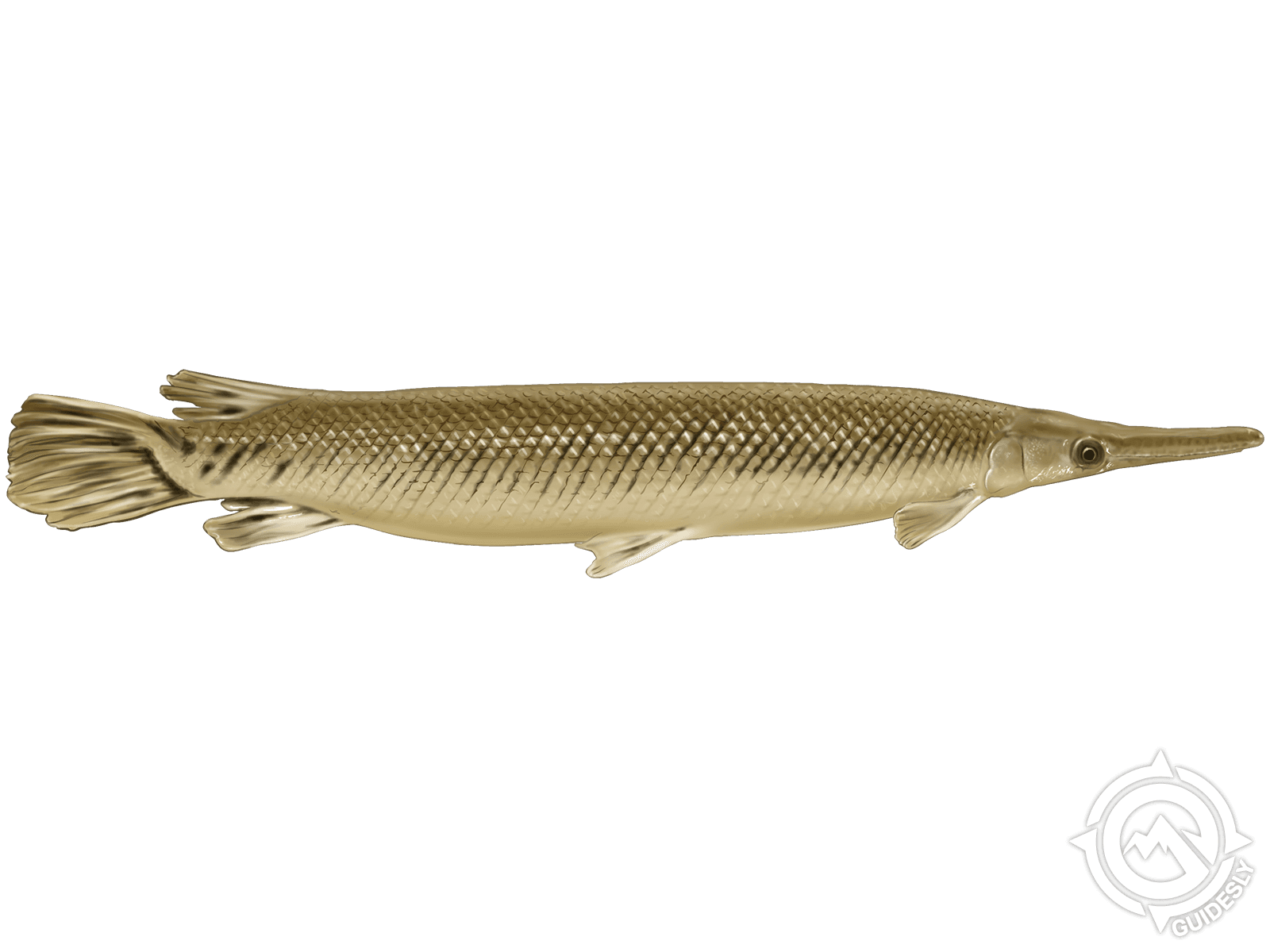
The Alligator Gar (Atractosteus spatula) belongs to the order Lepisosteiformes and family Lepisosteidae. This prehistoric giant resembles its namesake with an elongated body and jawline full of sharp teeth, though they're surprisingly passive around humans. As the largest freshwater fish in North America and biggest member of the gar family, they're often called "primitive fish" due to characteristics retained from their earliest ancestors. In Virginia Beach waters this January, these impressive fish move through nearshore areas seeking optimal feeding conditions.
Alligator Gar Overview
Alligator Gar represent one of North America's most ancient fish species, with fossil records dating back over 100 million years. Anglers value them for their impressive size, prehistoric appearance, and the challenge they present on light tackle. Their armor-like scales and powerful build make every encounter memorable, whether you're targeting them specifically or encounter one while fishing for other species.
Alligator Gar Habitat and Distribution
These fish inhabit inland and nearshore waters throughout the southeastern United States, with Virginia representing the northern edge of their range. They prefer areas with good current flow, deep holes, and adjacent shallow feeding areas. Around Virginia Beach, they're found in brackish estuaries, river mouths, and nearshore coastal waters where salinity levels fluctuate with tides and freshwater input.
Alligator Gar Size and Weight
Adult Alligator Gar typically range from 48 to 120 inches in length, with weights between 100 and 160 pounds. Trophy specimens can exceed these ranges, with historical records documenting fish over 200 pounds. Their impressive size and prehistoric appearance make them one of the most sought-after trophy fish in North American waters.
Alligator Gar Diet and Behavior
Alligator Gar are opportunistic predators feeding on fish, waterfowl, small mammals, and crustaceans. They're ambush hunters, using their camouflaged appearance to surprise prey in shallow water. During cooler months, they become less active but still feed opportunistically when conditions are favorable, making winter fishing productive when targeting specific areas.
Alligator Gar Spawning Season
Spawning occurs in late spring and early summer when water temperatures reach 68-78°F. During this period, they move into shallow, vegetated areas of rivers and backwaters. Outside spawning season, they return to deeper waters and main river channels, making them accessible to anglers fishing nearshore structure and current breaks.
Alligator Gar Fishing Techniques
Effective techniques include using large live baits like mullet or cut bait fished near bottom structure. Heavy tackle is typically recommended, though light tackle can work for smaller specimens. Popular methods include drift fishing over deep holes and bottom fishing near current breaks. In January around Norfolk, anglers find success targeting deeper channel edges and structure where these fish concentrate during cooler water periods.
Alligator Gar Is It Good to Eat?
Alligator Gar meat is firm and white with a mild flavor similar to other freshwater fish. The meat is low in fat and high in protein, making it a healthy option when properly prepared. Many anglers practice catch and release due to the species' slow growth rate and importance to aquatic ecosystems, though they can provide excellent table fare when harvested responsibly.
Alligator Gar Frequently Asked Questions
Q: What is the best bait for Alligator Gar?
A: Large live baits like mullet, shad, or cut bait work best. Fresh cut bait from oily fish like mackerel or herring also produces good results when fished near bottom structure.
Q: Where can I find Alligator Gar near Virginia Beach?
A: Look for them in brackish estuaries, river mouths, and nearshore waters with good current flow. Deep holes adjacent to shallow feeding areas are prime locations, especially during winter months.
Q: Is Alligator Gar good to eat?
A: Yes, the meat is firm, white, and mild-flavored with high protein content. However, many anglers practice catch and release due to their slow growth rate and ecological importance.
Q: When is the best time to catch Alligator Gar?
A: Early morning and late evening are most productive, with cooler months offering good opportunities when they concentrate in deeper waters. Stable weather patterns typically produce the best results.